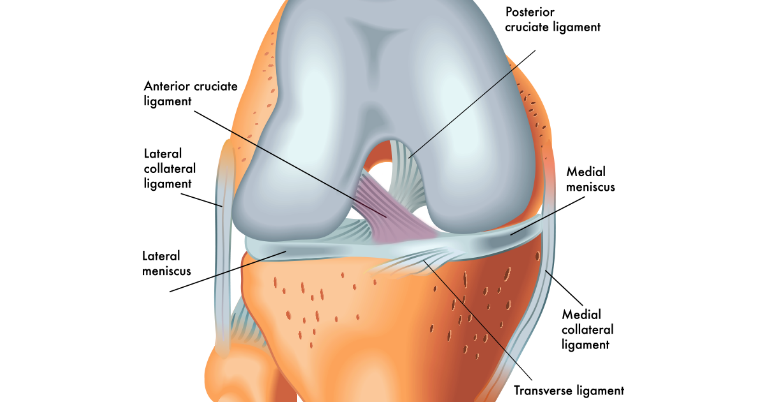
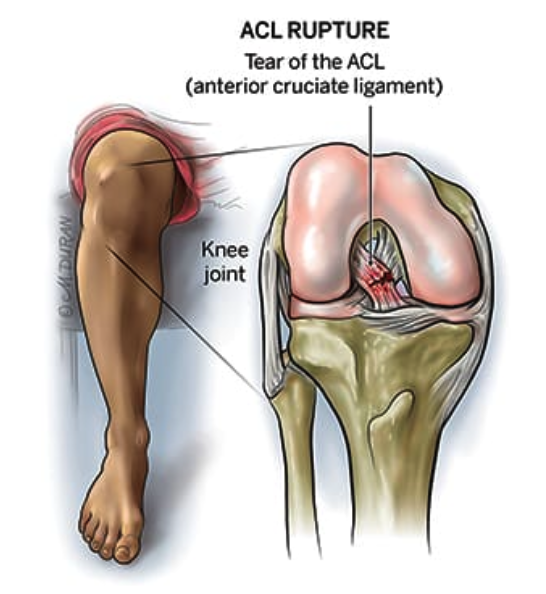
Many players notice their knees swell after badminton and assume it’s just fatigue or overuse. However, knee swelling after sports is usually a sign that something inside the joint is irritated or injured. Badminton involves frequent jumping, sudden stops, and quick turns, all of which put extra stress on the knee. Even mild swelling can be an early warning of an ACL (Anterior Cruciate Ligament) injury.
What is ACL?
The ACL is a strong ligament connecting your thigh to your shin. It keeps your knee stable, preventing it from sliding forward or twisting incorrectly during movement.
In badminton, the ACL can get stressed during jumps and rapid direction changes. If it is stretched, irritated, or partially torn, you may notice knee swelling after badminton, a feeling of knee instability, or difficulty bending your knee—even if there’s no sharp pain at first.
Symptoms of ACL Injury
1. Knee swelling after badminton or sports
2. Knee feels unstable
3. Difficult to bend the knee
4. Trouble turning or twisting
What Happens If an ACL Injury Is Left Untreated
If an ACL injury is left untreated, your knee can stay unstable and may give way during sports or daily activities. Over time, this can cause:
Meniscus tears – Damage to the knee cartilage
Chronic knee pain – Ongoing discomfort
Reduced knee movement – Hard to bend or walk properly
Knee osteoarthritis – Early joint wear and tear
Ignoring an ACL injury can turn a small problem into a long-term knee issue❗
💡Final Notes on ACL Injuries
Knee swelling after badminton is not normal and may signal an ACL injury. Watch for instability, difficulty bending, swelling, or popping. Untreated ACL injuries can lead to chronic pain, reduced movement, or knee osteoarthritis. Seek medical help early to prevent long-term damage and keep your knee healthy.