Sciatica is a common condition caused by irritation or compression of the sciatic nerve, leading to pain that radiates from the lower back down the leg. Current clinical guidelines support physiotherapy as a first-line, non-surgical treatment for sciatica, focusing on pain relief, movement restoration, and long-term prevention.
Here is how physiotherapy usually helps :
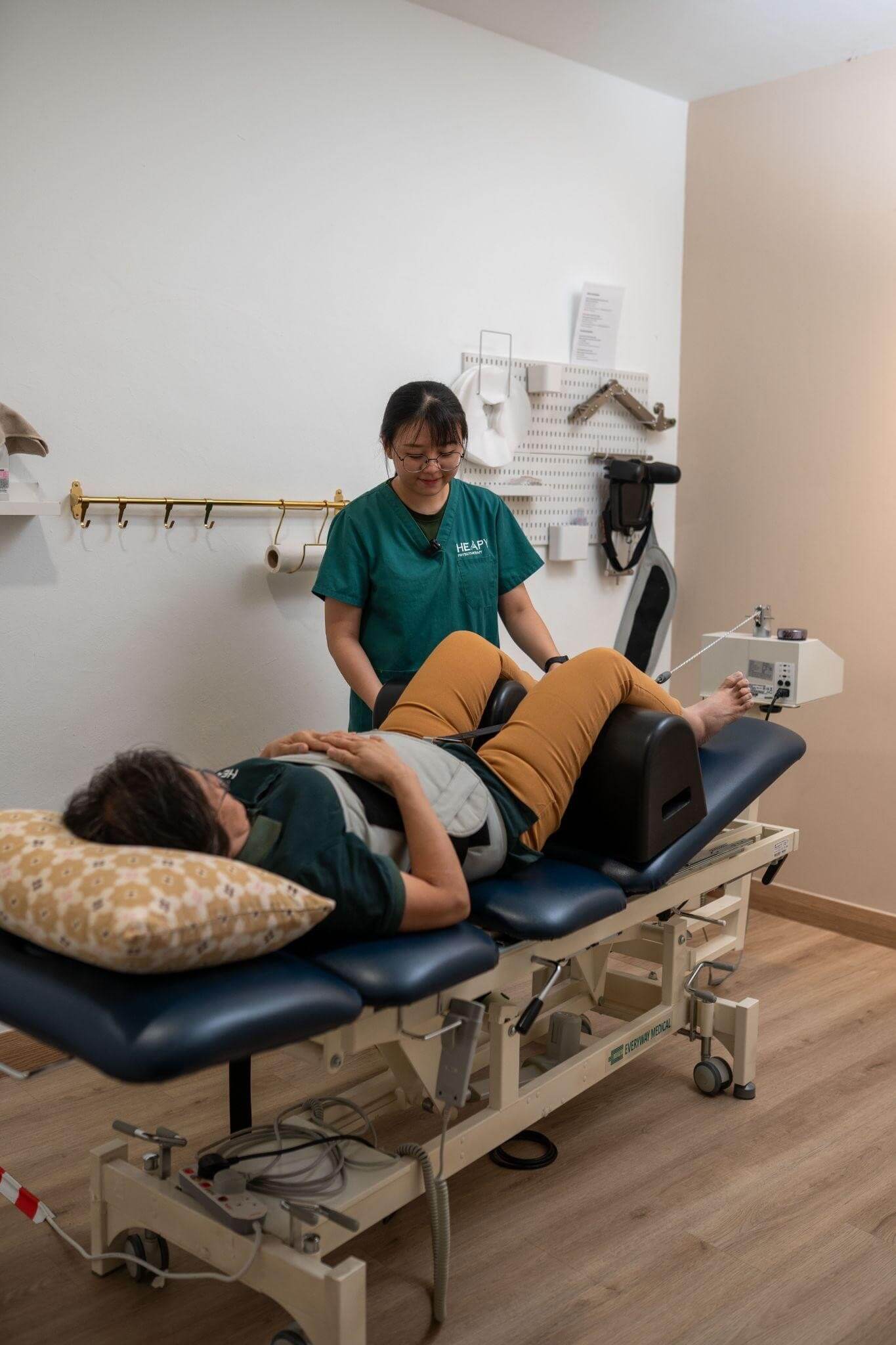
Lumbar Traction
Reduce pressure on pinched nerve
Reduce pressure on the affected disc and temporarily ease symptoms.
Improve lower back muscles spasm
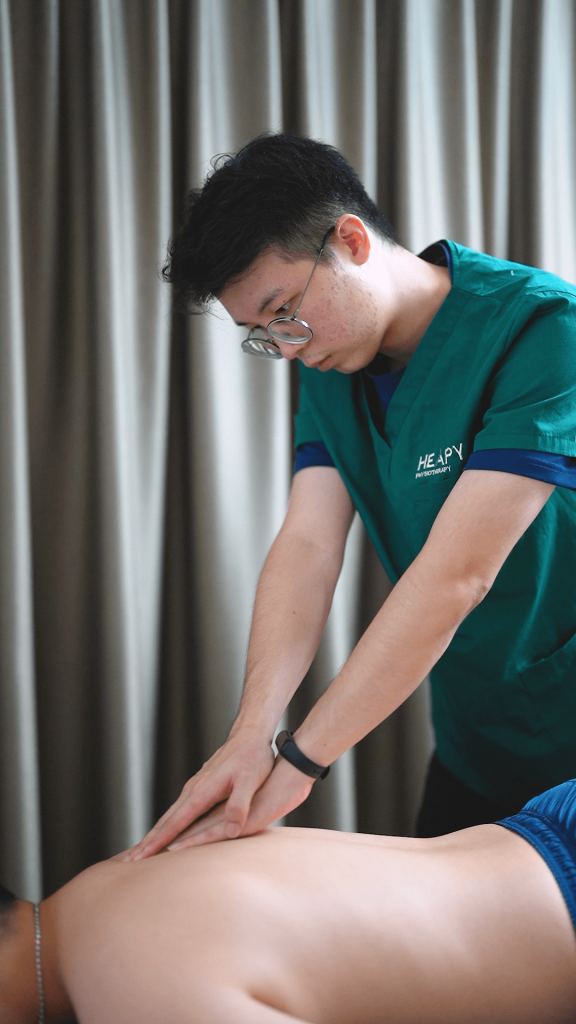
Manual Therapy - Massage
Reduce muscle tension and protective spasms.
Improve mobility in the lumbar joints.
Decrease mechanical pressure on the nerve.
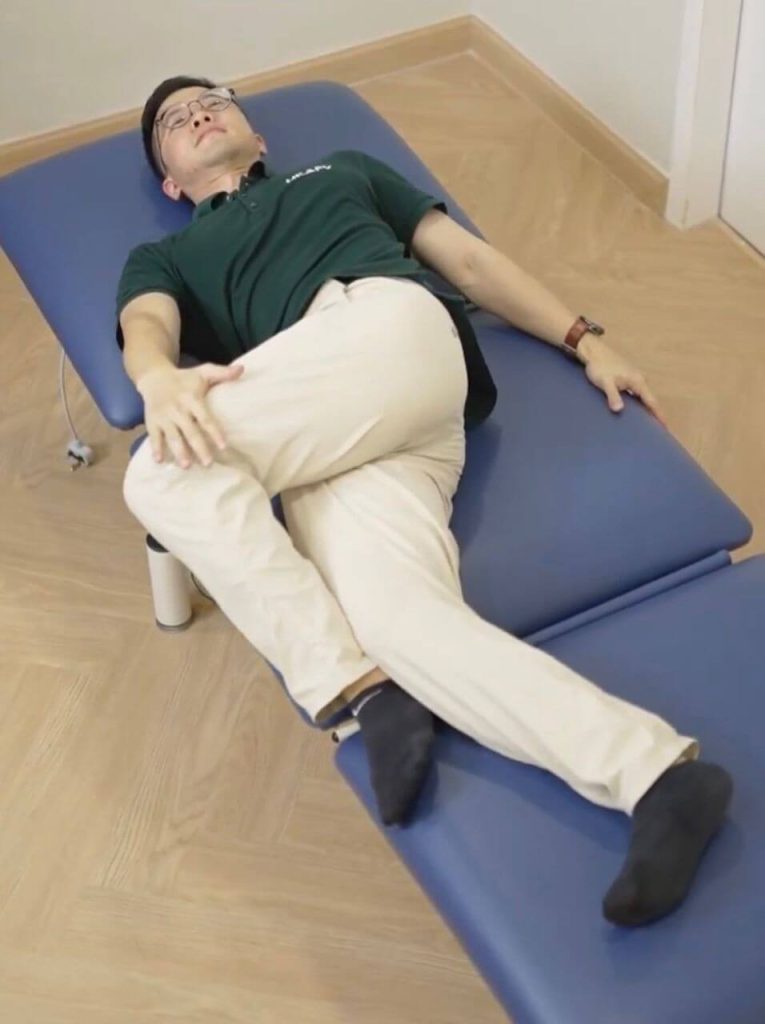
Exercise Therapy
Strengthening exercises to strengthen deep core muscles to support your spine and help reduce the risk of future recurrence.
Stretching exercises help relieve muscle tightness, reduce sciatic nerve irritation, and improve flexibility.
Nerve gliding exercises help improve the movement of the sciatic nerve, and reduce nerve irritation
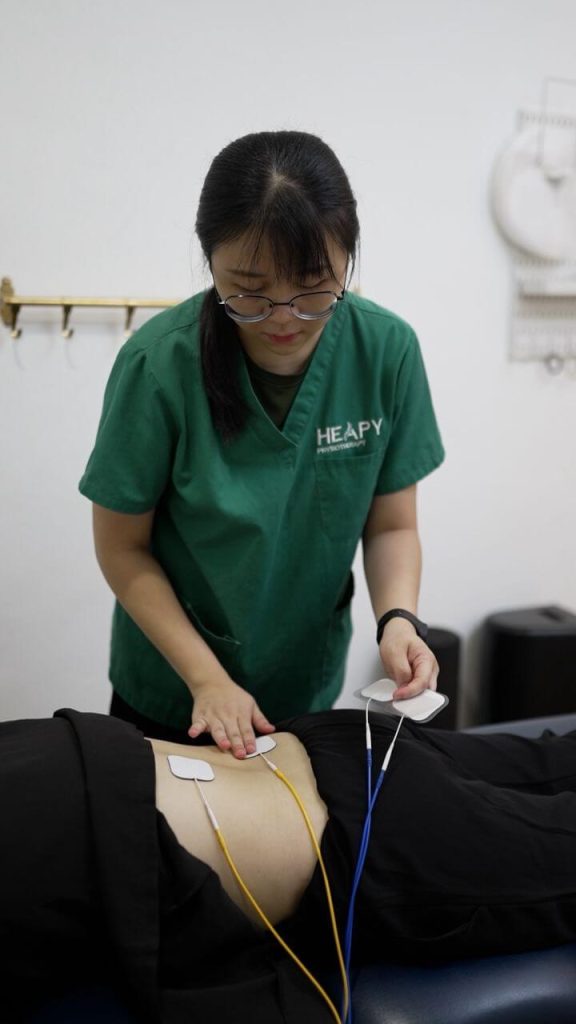
Electrotherapy
Reduce sciatic pain by calming nerve irritation and decrease the pain sensitivity
Improve blood circulation
Relax tight muscles.
💡 Final Notes on Sciatica Physiotherapy
A “fancy” machine or a single stretch isn’t a silver bullet. True recovery comes from an integrated approach that combines manual therapy, supportive modalities, and targeted exercise.
Technique
Purpose
Findings
Manual therapy :
soft tissue release
Reduce muscle tension and protective spasms.
Improve mobility in the lumbar joints.
Decrease mechanical pressure on the nerve.
Manual therapy works best when used to “clear a path” for exercise, providing short-term relief that allows you to move more freely.
Electrotherapy:
short-term pain relief modalities like TENS and Ultrasound
TENS: Modulates nerve signals to “drown out” pain perception.
Ultrasound: May assist in reducing local inflammation and supporting tissue healing.
Clinical Note: We use these tools to improve your comfort so you can focus on the active part of your rehab.
Lumbar Traction:
According to severity and body weight
Reduce disc pressure.
Increase the space around the nerve root.
Ease radiating leg symptoms.
Exercise Therapy:
A tailored program focuses on three pillars (strengthening, stretching, neural mobilization)
⚡ Strengthening
We focus on the “inner corset” building core stability and spinal support to reduce the risk of future recurrence.
🧘 Stretching
By targeting the hamstrings, glutes, and piriformis, we reduce the external tension that often aggravates the sciatic nerve.
🌊 Nerve Gliding (Neural Mobilization)
This specialized technique improves the “slide and glide” of the nerve through its pathway, significantly reducing sensitivity and that “zinging” radiating pain.
Exercise is the most effective treatment for sciatica.